

ClearCorrect: The Transparent Path to a Straighter Smile
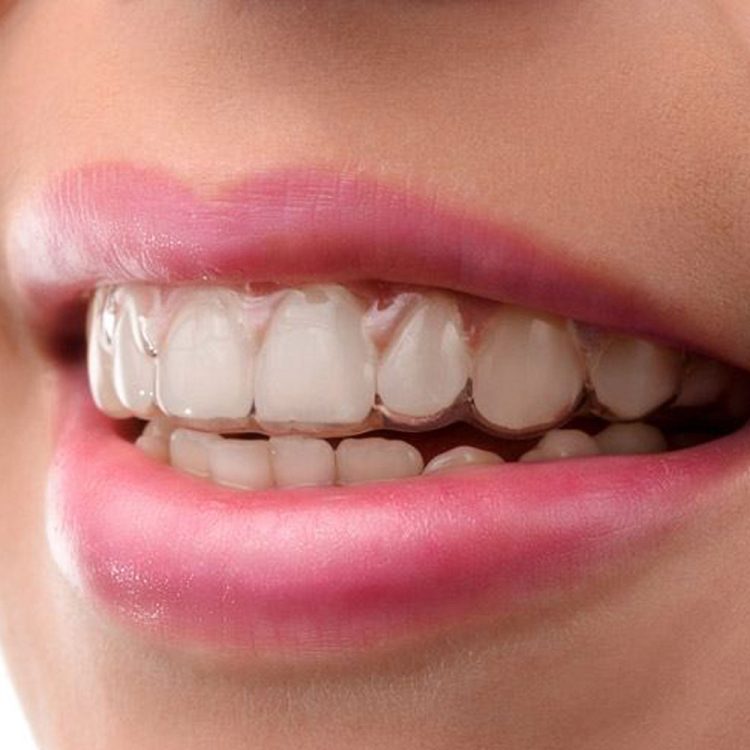
ClearCorrect is a clear aligner system used in orthodontics to correct misalignment of teeth through a series of virtually invisible, custom-made, removable aligners. This treatment offers an alternative to traditional braces, providing a discreet and effective solution for improving dental alignment. This blog post will delve into what ClearCorrect is, how it works, its benefits, and what patients can expect during the treatment process.
What is ClearCorrect?
ClearCorrect is an orthodontic treatment that uses a series of clear, custom-fit, removable aligners designed to gradually shift teeth into their desired position. Manufactured in the United States, these aligners are crafted from a clear, durable plastic material that fits snugly over the teeth.
Digital CT Scan
First our dental radiologist takes a digital 3D CT Scan of your teeth.Professional Consultation
We will discuss your primary issues and your wishes concerning your teeth.Dental Examination
This is followed by a professional examination of the teeth and gums.Complete Treatment Plan
We devise a complete treatment plan for restoring your healthy smile.What is ClearCorrect?
Benefits of ClearCorrect
-
- Discretion: ClearCorrect aligners are transparent and less noticeable than traditional metal braces.
- Comfort: The smooth plastic used in the aligners avoids the irritation often caused by the brackets and wires of conventional braces.
- Convenience: Aligners can be removed for eating, brushing, and flossing, allowing for better oral hygiene and no food restrictions.
- Customization: Each aligner is custom-made using digital mapping and molding technology to fit the individual’s teeth.
How ClearCorrect Works
- Initial Consultation: An orthodontist evaluates the patient’s dental structure and discusses their alignment goals. This session may include taking digital scans or impressions of the patient’s teeth.
- Custom Treatment Plan: Based on the scans, a precise treatment plan is created using advanced 3D modeling technology. This plan outlines the expected movements of the teeth and the approximate duration of the treatment.
- Aligner Fabrication: Aligners are custom-made to the specifications of the treatment plan. Patients typically receive a set of aligners to change every few weeks.
- Regular Follow-ups: Patients will have scheduled check-ups with their orthodontist to monitor progress and receive the next sets of aligners.
- Duration of Treatment: The total time for treatment varies depending on the severity of dental misalignments but usually ranges from 12 to 24 months.
Aftercare and Maintenance
- Retainer Use: Post-treatment, wearing retainers is crucial to maintain the new position of the teeth. These may be similar to the aligners but are designed for long-term use.
- Regular Dental Care: Continued visits to the dentist for regular check-ups and cleanings are important for maintaining oral health.
- Aligner Care: It's important to clean the aligners regularly to prevent buildup of bacteria. They should be rinsed and brushed gently every day.
Potential Considerations
- Patient Compliance: The effectiveness of ClearCorrect heavily relies on the patient wearing the aligners as recommended, typically 22 hours a day.
- Adjustment Period: Some initial discomfort or speech adjustment is normal as the mouth adapts to wearing aligners.
- Limitations: While effective for many orthodontic issues, severe cases might require alternative treatments or adjunctive therapies.
REQUEST AN APPOINTMENT
- Discretion: ClearCorrect aligners are transparent and less noticeable than traditional metal braces.
- Comfort: The smooth plastic used in the aligners avoids the irritation often caused by the brackets and wires of conventional braces.
- Convenience: Aligners can be removed for eating, brushing, and flossing, allowing for better oral hygiene and no food restrictions.
- Customization: Each aligner is custom-made using digital mapping and molding technology to fit the individual’s teeth.
How ClearCorrect Works
- Initial Consultation: An orthodontist evaluates the patient’s dental structure and discusses their alignment goals. This session may include taking digital scans or impressions of the patient’s teeth.
- Custom Treatment Plan: Based on the scans, a precise treatment plan is created using advanced 3D modeling technology. This plan outlines the expected movements of the teeth and the approximate duration of the treatment.
- Aligner Fabrication: Aligners are custom-made to the specifications of the treatment plan. Patients typically receive a set of aligners to change every few weeks.
- Regular Follow-ups: Patients will have scheduled check-ups with their orthodontist to monitor progress and receive the next sets of aligners.
- Duration of Treatment: The total time for treatment varies depending on the severity of dental misalignments but usually ranges from 12 to 24 months.
Aftercare and Maintenance
- Retainer Use: Post-treatment, wearing retainers is crucial to maintain the new position of the teeth. These may be similar to the aligners but are designed for long-term use.
- Regular Dental Care: Continued visits to the dentist for regular check-ups and cleanings are important for maintaining oral health.
- Aligner Care: It's important to clean the aligners regularly to prevent buildup of bacteria. They should be rinsed and brushed gently every day.
Potential Considerations
- Patient Compliance: The effectiveness of ClearCorrect heavily relies on the patient wearing the aligners as recommended, typically 22 hours a day.
- Adjustment Period: Some initial discomfort or speech adjustment is normal as the mouth adapts to wearing aligners.
- Limitations: While effective for many orthodontic issues, severe cases might require alternative treatments or adjunctive therapies.
CONCLUSION
Adhesive bridges offer a viable and conservative alternative for replacing missing teeth, particularly suitable for areas that undergo less biting force. They provide both aesthetic and functional benefits while preserving the integrity of adjacent teeth. If you are missing a tooth and looking for a minimally invasive replacement option, an adhesive bridge might be an ideal solution. Consult with your dentist to determine if this treatment is appropriate for your dental needs.